Understanding Gutter Installation
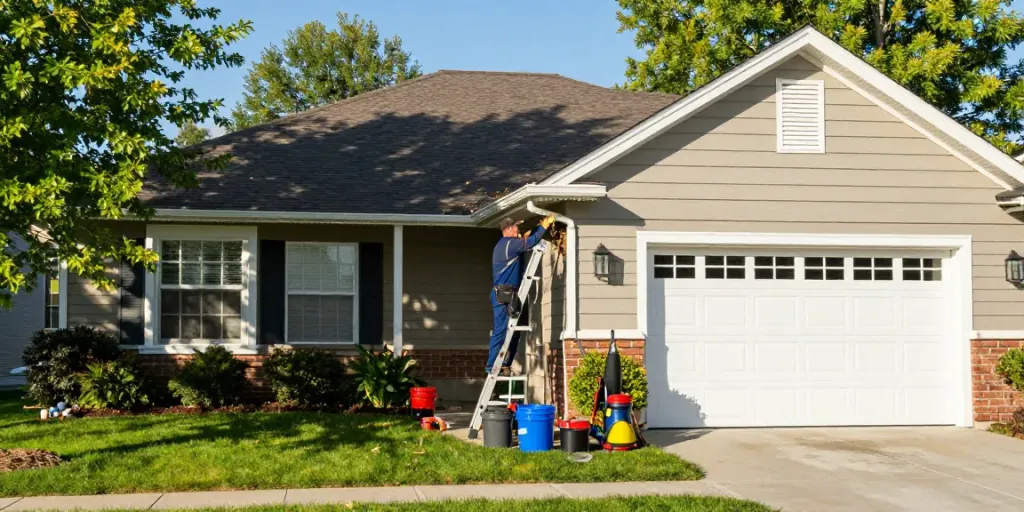
Gutter installation is a crucial aspect of home maintenance that often goes unnoticed until problems arise. These systems play an essential role in directing rainwater away from your home's foundation, helping to prevent significant issues such as basement flooding, erosion, and mold growth. Understanding the intricacies of gutter installation can empower homeowners to make informed decisions, whether they are considering doing it themselves or hiring a professional service. When exploring options, gutter installation offers comprehensive insights into the available solutions suited for your home.
What Is Gutter Installation?
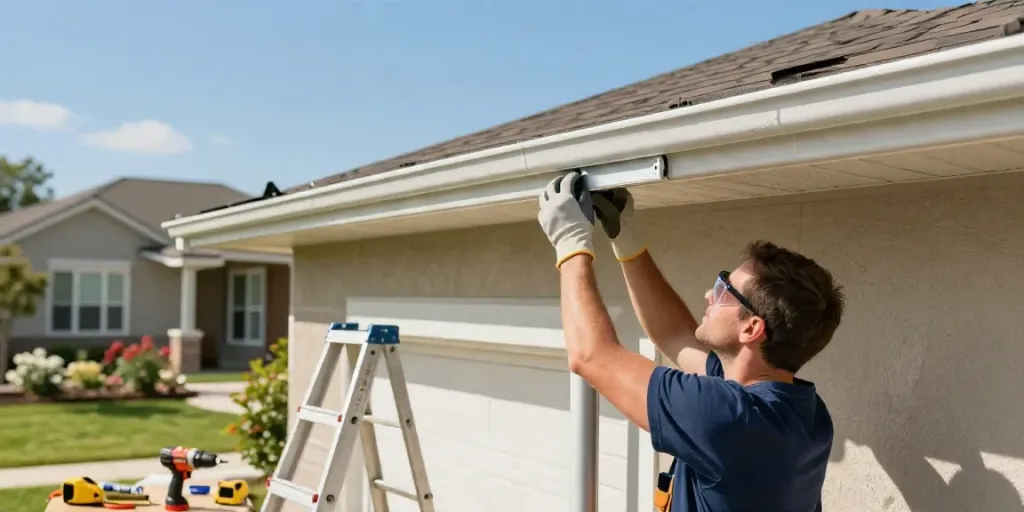
Gutter installation refers to the process of fitting a system of channels, known as gutters, to the roof of a building to collect and direct rainwater away from the structure. This process can be straightforward, involving the attachment of prefabricated gutters to a building, or it can be more complex, involving custom fabrication for unique architectural features. A properly installed gutter system includes not just the gutters themselves but also downspouts, which carry the water from the gutters to the ground, and various accessories to enhance functionality.
Types of Gutters Available
There are several types of gutters available on the market, each with its own advantages and disadvantages:
- Seamless Gutters: These are custom-made on-site, which means they have no seams, reducing the risk of leaks. They are typically more durable and aesthetically pleasing.
- K-Style Gutters: These are the most common type, shaped like a 'K' when viewed from the side, allowing for greater water flow due to their flat bottom and deeper design.
- Half-Round Gutters: Often seen in historic buildings, these provide a traditional look and effective drainage, although they may require more maintenance than K-style gutters.
- Box Gutters: These are built into the roofline and can often be confused with internal gutter systems. They are useful in specific architectural designs.
Benefits of Professional Gutter Installation
While homeowners may consider installing gutters themselves, professional installation often provides numerous benefits. Experienced gutter installers can ensure that the system is correctly pitched to allow for optimal water flow, significantly reducing the likelihood of overflow and subsequent damage to the home. Additionally, professionals can recommend the best materials for your specific climate and roof type, ensuring longevity and performance. They also have access to the necessary tools and equipment to complete the installation safely and efficiently.
Planning Your Gutter Installation
Before diving into installation, careful planning is essential. This phase involves selecting the appropriate gutter system, considering budget constraints, and preparing for the installation itself.
Choosing the Right Gutter System for Your Home
The choice of gutter system should be influenced by various factors including your local climate, the size of your roof, and your home’s architectural style. For instance, homes in regions with heavy rainfall may benefit from larger, seamless gutters, while smaller homes may not require such extensive systems. Additionally, the choice between materials such as aluminum, vinyl, or steel can impact both durability and cost.
Factors to Consider Before Installation
Several considerations should be kept in mind before installation:
- Climate: Your local weather conditions can dictate the type and size of gutters needed.
- Roof Design: The pitch and design of your roof can influence how water flows into the gutters.
- Building Codes: Local regulations may require specific gutter types or installations.
- Maintenance Needs: Consider how easy it will be to clean and maintain the gutters.
Budgeting for Gutter Installation Costs
Gutter installation costs can vary based on several factors, including the type of gutter, the complexity of the installation, and regional labor rates. On average, homeowners can expect to pay between $5 to $15 per linear foot for installation, depending on the material and style chosen. It's wise to obtain multiple estimates and clarify what services are included, such as downspout installation and the provision of necessary accessories.
The Installation Process Explained
Once all planning is done and materials are sourced, the installation process can begin. This section will outline a typical installation process, emphasizing essential steps to ensure a successful outcome.
Step-by-Step Gutter Installation Guide
- Measure the Roof Edge: Accurate measurements ensure that the gutters are the correct length.
- Cut the Gutters: Use the appropriate tools to cut the gutters to size, ensuring a clean, straight edge.
- Attach Hangers: Secure the hangers along the roofline, ensuring they are spaced correctly to support the weight of the gutters.
- Install the Gutters: Position the gutters onto the hangers and secure them, ensuring proper slope to allow for water drainage.
- Add Downspouts: Cut holes for downspouts and secure them to divert water away from the foundation.
- Seal Joints: Use sealant to ensure that all joints are watertight, preventing leaks during heavy rain.
Common Mistakes to Avoid During Installation
Even seasoned DIYers can make mistakes during gutter installation. Here are common pitfalls to avoid:
- Poor Slope: Failing to pitch the gutters toward the downspouts can lead to standing water and overflow.
- Inadequate Support: Not installing enough hangers can cause sagging and eventual system failure.
- Ignoring Local Codes: Ensure compliance with local regulations to avoid fines or forced rework.
Tools and Materials Needed for Installation
To effectively install gutters, you will need the following tools and materials:
- Measuring tape
- Level
- Power drill
- Mitre saw
- Sealant
- Ladder
- Gutter sections and downspouts
Maintenance Tips for Your Gutters
The longevity and effectiveness of your gutter system depend on regular maintenance. This section highlights essential practices to keep your gutters in top shape.
Routine Maintenance Best Practices
To prevent clogs and ensure efficient water flow:
- Clean gutters at least twice a year, especially after fall when leaves are abundant.
- Inspect for signs of wear or damage, addressing any issues immediately.
- Ensure downspouts are clear and direct water away from the foundation.
Signs You Need Gutter Repairs
Watch for these indicators that your gutters may need attention:
- Water stains on your roof or walls
- Visible sagging or misalignment
- Pooling water around the foundation
How to Extend the Life of Your Gutters
Investing time in maintenance can significantly extend the life of your gutters. Regular cleaning, timely repairs, and professional inspections can prevent larger, more costly issues from developing.
Future Trends in Gutter Installation
As technology evolves, so does the gutter installation industry. Understanding upcoming trends can help homeowners make informed decisions about their gutter systems.
Innovative Gutter Technologies for 2026
In 2026, we can expect innovations such as smart gutters equipped with sensors that notify homeowners when cleaning is needed or when there is a blockage. These advancements promise to streamline maintenance and improve overall efficiency.
Sustainability in Gutter Material Choices
With an increasing focus on sustainability, many homeowners are considering eco-friendly gutter materials made from recycled or sustainably sourced products. This trend not only reduces environmental impact but can also enhance home energy efficiency.
Expert Insights on Gutter Installation Trends
Industry experts suggest that seamless gutters will continue to gain popularity due to their aesthetic appeal and reduced maintenance needs, along with a shift towards integrated gutter systems that combine drainage and storage solutions.
What is the average cost to install gutters?
The average cost to install gutters varies widely based on materials and labor. Generally, homeowners can expect to spend anywhere from $1,000 to $3,000 for an average-sized home. It's vital to get quotes from multiple providers to ensure you receive a fair price.
Can I install gutters myself?
While DIY gutter installation is possible, it requires careful planning and an understanding of the necessary tools and techniques. For those less confident in their skills, hiring a professional can save time and potential headaches down the line.
How long does gutter installation usually take?
A standard gutter installation can generally be completed within a day for an average home, though more complex designs may require longer. Factors such as weather, crew size, and the home’s architecture will also affect the timeline.
What materials are best for gutters?
Common materials for gutters include aluminum, which is lightweight and corrosion-resistant; copper, known for its durability and aesthetic; and vinyl, which offers affordability and ease of installation. The best choice depends on budget, climate, and personal preference.
How can I find a reputable gutter installation service?
Researching local contractors, reading online reviews, and asking for recommendations can help you find a reliable gutter installation service. Always ask for estimates and check credentials to ensure you hire a qualified professional.