Understanding Hot Water Tanks: Types, Benefits, and Applications
Hot water tanks, often referred to as water heaters, are essential appliances in homes and businesses, providing a reliable source of hot water for bathing, cooking, cleaning, and heating. With advancements in technology and increased environmental awareness, the options available in hot water tanks have significantly evolved. Understanding the various types and their benefits can help you make an informed decision when selecting a system for your needs. When exploring options, Hot Water Tanks provide comprehensive insights into available systems and their effectiveness.
What are Hot Water Tanks?
Hot water tanks are devices designed to heat water for various domestic and commercial uses. They typically fall into two main categories: storage tank water heaters and tankless water heaters. Storage tank heaters maintain a reservoir of hot water, while tankless models heat water on demand, which can lead to energy savings and efficiency. The choice between these options largely depends on your hot water usage patterns, space availability, and energy preferences.
Types of Hot Water Tanks: Storage vs. Tankless
Understanding the different types of hot water tanks is crucial in determining which system best suits your needs:
- Storage Tank Water Heaters: These are the most common type, usually storing between 20 to 80 gallons of hot water. They heat water and keep it hot until needed, making them ideal for homes with high hot water demand.
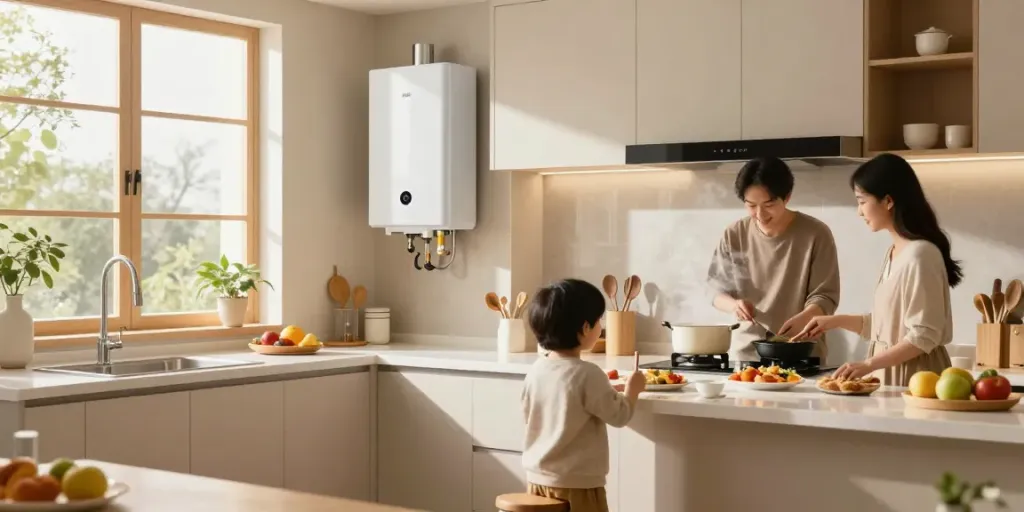
- Tankless Water Heaters: Also known as on-demand water heaters, these units heat water as it flows through the system, providing a continuous supply of hot water without the need for storage. They are more energy-efficient as they only heat water when required.
Key Benefits of Installing Hot Water Tanks
Installing a hot water tank can offer numerous advantages:
- Consistent Hot Water Supply: Hot water tanks ensure a reliable supply of hot water, allowing for simultaneous usage in multiple locations.
- Energy Efficiency: Modern hot water tanks are designed with energy efficiency in mind. Choosing the right type can reduce utility bills and environmental impact.
- Space-Saving Options: Tankless models are compact and can be installed in tight spaces, making them ideal for smaller homes or apartments.
Choosing the Right Hot Water Tank for Your Home
When selecting a hot water tank, several factors must be considered to ensure you make the best choice for your household needs.
Factors to Consider When Selecting a Hot Water Tank
Here are some critical factors to take into account:
- Household Size: Evaluate your hot water needs based on the number of occupants in your home and their daily hot water usage patterns.
- Energy Source: Consider whether you prefer gas, electric, or renewable energy options such as solar. Each comes with its own set of benefits and costs.
- Tank Size: Ensure that the capacity of the hot water tank meets your household's peak demand. A larger tank may be necessary for bigger families.
Comparing Key Features of Popular Brands
When it comes to choosing a brand, it’s essential to compare features such as warranty, efficiency ratings, and user reviews. Manufacturers like A. O. Smith, Rheem, and Bradford White offer various models catering to different needs, including high-efficiency options that can lower energy bills significantly.
Understanding Energy Efficiency Ratings
Energy efficiency is a crucial aspect to consider when selecting a hot water tank. Look for units with high EF (Energy Factor) ratings, which indicate how effectively a water heater converts energy into hot water. With increasing energy costs, opting for a more efficient model can lead to significant savings over time.
Installation and Maintenance of Hot Water Tanks
Proper installation and maintenance are vital for the longevity and efficiency of your hot water tank. Whether you choose to install it yourself or hire professionals, understanding the key aspects is essential.
Professional Installation vs. DIY: What You Need to Know
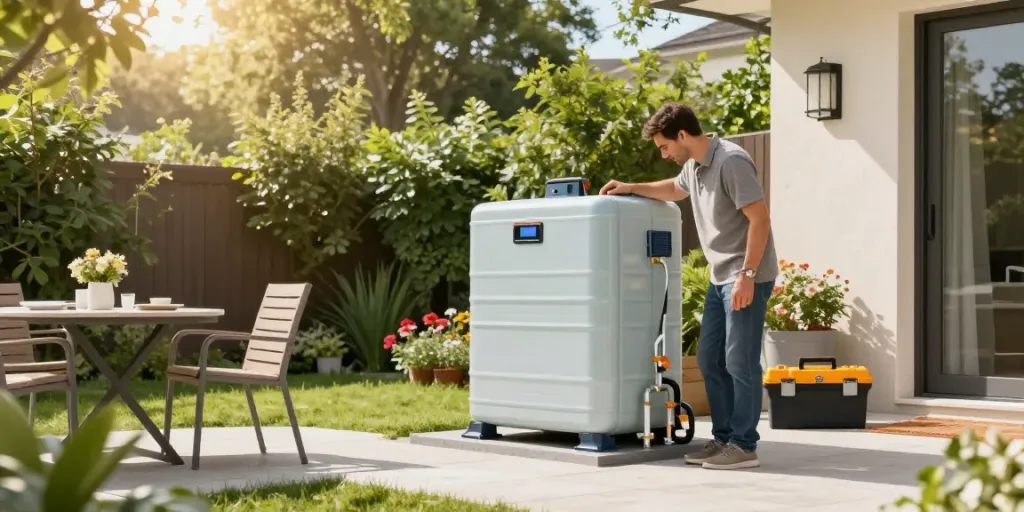
While some homeowners might opt for DIY installation to save costs, hiring a professional ensures compliance with local codes and optimal installation technique. Professionals also provide warranties and service guarantees, which are valuable in protecting your investment.
Essential Maintenance Tips for Longevity
To maintain the efficiency and extend the lifespan of your hot water tank, follow these essential maintenance tips:
- Regularly flush the tank to remove sediment buildup.
- Check the anode rod every few years and replace it if necessary to prevent corrosion.
- Inspect the pressure relief valve for proper functioning to ensure safety.
Identifying Common Issues and Troubleshooting
Hot water tanks can encounter various issues such as insufficient hot water, leaks, or strange noises during operation. Familiarizing yourself with these common problems allows for quicker troubleshooting and minimizes downtime. If issues persist after basic troubleshooting, it’s advisable to consult a professional.
Hot Water Tanks and Environmental Impact
Energy consumption by hot water tanks represents a significant portion of your home's overall energy use, highlighting the importance of selecting an environmentally friendly option.
How Hot Water Tanks Contribute to Energy Consumption
Traditional hot water tanks can be energy-intensive, leading to higher utility bills and increased greenhouse gas emissions. Understanding how your tank operates and optimizing its usage can help mitigate these impacts.
Eco-Friendly Practices for Hot Water Tank Usage
Implementing eco-friendly practices can significantly reduce your environmental footprint. Consider these strategies:
- Adjust the thermostat to 120°F to balance comfort and energy use.
- Insulate your hot water tank and pipes to minimize heat loss.
- Consider switching to a tankless system for reduced energy consumption.
The Future of Sustainable Hot Water Solutions
The future of hot water tanks is leaning towards more sustainable solutions, including solar water heaters and systems that utilize advanced heat pump technologies. Staying informed about these innovations can empower you to choose options that align with your sustainability goals.
Trends and Innovations in Hot Water Tank Technology for 2026
As we approach 2026, new trends and technologies are emerging in the hot water tank industry, transforming how we heat water.
Emerging Technologies in Water Heating Systems
Smart technologies are beginning to dominate the hot water tank landscape. Systems that connect to home automation platforms allow users to monitor and control their water heating remotely, leading to enhanced efficiency and convenience.
The Rise of Smart Water Heaters
Smart water heaters offer features such as adaptive learning, which adjusts heating patterns based on user habits, providing hot water only when it's needed, thus saving energy.
Future Predictions: Hot Water Tanks in the Coming Years
Industry analysts predict that by 2026, we will see a significant shift towards energy-efficient systems with lower environmental impacts. Additionally, the integration of AI and IoT will make hot water tanks more user-friendly, responsive, and efficient than ever before.
What is the average life of a hot water tank?
Typically, a traditional hot water tank has a lifespan of 10-15 years, while tankless models can last up to 20 years or more with proper maintenance.
What is the average cost to install a hot water tank?
The installation cost for a hot water tank can vary significantly based on the type and brand, generally ranging from $800 to $2,500, including labor and necessary modifications.
What is the best hot water tank to purchase?
The best hot water tank for your home will depend on your specific needs, including hot water demand, energy source availability, and budget. Researching reliable brands and comparing features is essential.
What is the average price for a 40-gallon hot water heater?
A 40-gallon hot water heater typically costs between $300 and $600, depending on the brand and efficiency features.
How can I improve the efficiency of my hot water tank?
Improve the efficiency of your hot water tank by regularly checking and adjusting the temperature, insulating your tank, minimizing water usage, and considering upgrading to a more efficient model.. Additionally, Hot Water Tanks provides further details.