Understanding Peptides: Basics and Beyond
What are Peptides?
Peptides are short chains of amino acids, typically consisting of two to fifty amino acids linked together by peptide bonds. They play a crucial role in the biological processes of living organisms. Unlike proteins, which are longer and more complex, peptides serve as signaling molecules, hormones, and building blocks for larger proteins. In essence, peptides are the fundamental components necessary for biological functions.
The Functionality of Peptides in Biological Systems
Peptides participate in numerous bodily functions, including cell signaling, immune response, hormone regulation, and metabolism. For example, insulin, a peptide hormone, helps regulate glucose levels in the blood. Similarly, peptides serve as neurotransmitters in the nervous system, impacting mood and cognitive functions. Their small size allows for quicker diffusion across cellular membranes, facilitating rapid responses to physiological changes.
The Role of Research in Peptide Development
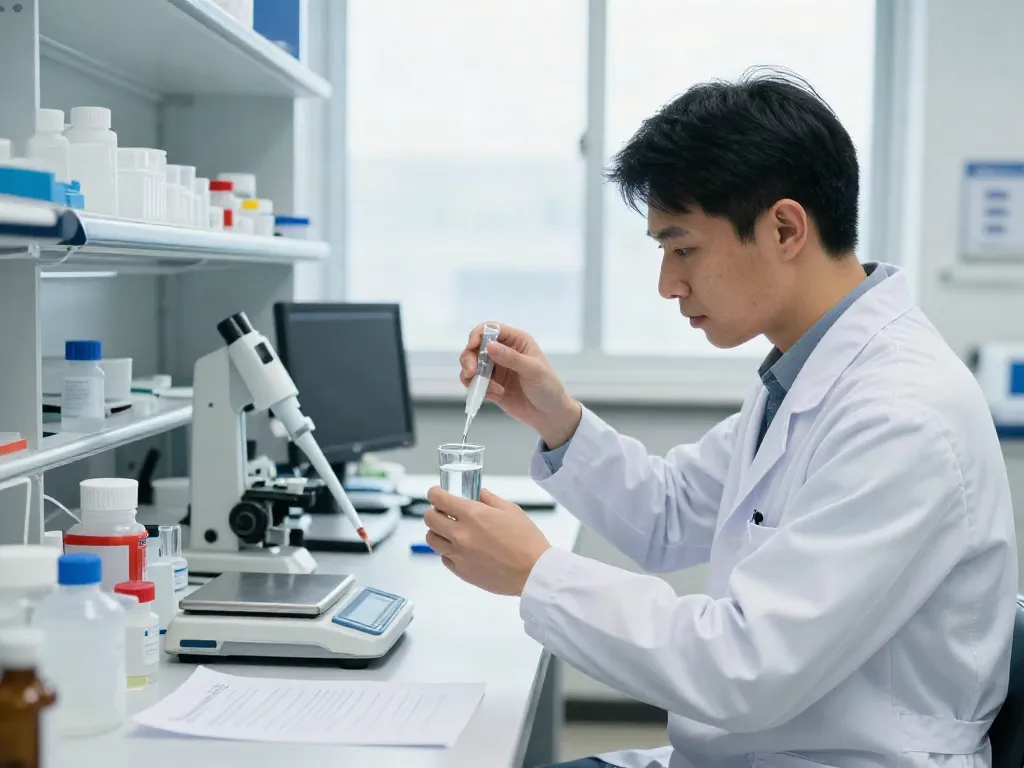
Scientific research is foundational in understanding how peptides can be manipulated for therapeutic uses. Innovations in peptide synthesis and modification are leading to breakthroughs in targeted therapies for various diseases. Ongoing studies are probing the structural properties of peptides, their signaling pathways, and potential applications in drug design. This research not only deepens our understanding of biological systems but also paves the way for novel treatments.
Applications of Peptides in Health and Medicine
Therapeutic Potential of Peptides
Peptides have gained recognition for their therapeutic potential in treating a range of conditions, from metabolic disorders to cancer. Their specificity often results in fewer side effects compared to traditional pharmaceuticals. Researchers are investigating peptide-based drugs that can interact precisely with biological targets, minimizing toxicity and maximizing efficacy.
Peptide-Based Treatments: Current Trends
The trend towards peptide-based therapies is expanding. The medical community is employing peptides in treatments for diabetes, cancer, cardiovascular diseases, and more. Notably, peptides like ghk cu have been studied for their role in skin regeneration and wound healing, showcasing the versatility of peptide applications in medical science.
Future Directions in Peptide Therapy
The future of peptide therapy looks promising, with advancements in personalized medicine extending to peptide applications. The integration of technology such as machine learning and artificial intelligence in drug design is set to accelerate the identification of new therapeutic peptides, leading to tailored treatments for individual patients.
Exploring GHK-Cu: A Prominent Peptide
Biological Functions of GHK-Cu
GHK-Cu, or Glycyl-L-Histidyl-L-Lysine Copper, is a naturally occurring peptide that plays a significant role in tissue repair and regeneration. It is a copper-binding peptide that is vital for processes like collagen synthesis, antioxidant defense, and modulation of growth factors. GHK-Cu enhances tissue repair by mobilizing copper ions, encouraging the body’s natural healing mechanisms.
GHK-Cu in Skin Regeneration and Healing
Research has highlighted the remarkable ability of GHK-Cu to promote skin healing. It is known to stimulate the production of collagen and elastin, which are crucial for maintaining skin elasticity and firmness. Clinical studies suggest that GHK-Cu can reduce wrinkles, improve skin texture, and speed up wound healing, making it a valuable ingredient in advanced skincare formulations.
Research Findings on GHK-Cu Efficacy
Numerous studies have demonstrated the efficacy of GHK-Cu in enhancing wound healing and tissue repair. In vitro and in vivo research indicates that GHK-Cu not only encourages collagen production but also enhances the migration and proliferation of skin cells. Its anti-inflammatory properties contribute to its effectiveness in healing processes, marking GHK-Cu as a peptide of significant interest for further therapeutic development.
Peptide Synthesis and Production Techniques
Chemical Synthesis vs. Biological Production
Peptides can be synthesized through two primary methods: chemical synthesis and biological synthesis. Chemical synthesis involves constructing peptides from amino acids using various chemical reactions. In contrast, biological production typically utilizes recombinant DNA technology to produce peptides in living organisms, ensuring higher purity and biological activity. Both methods have their merits, with chemical synthesis allowing for easier manipulation of peptide structure and biological methods boasting authenticity in biological conditions.
Quality Control in Peptide Manufacturing
Quality control is essential in peptide manufacturing to ensure the safety and efficacy of peptide-based therapeutics. Rigorous testing protocols, including mass spectrometry and high-performance liquid chromatography (HPLC), are utilized to assess purity and concentration. Standard operating procedures (SOPs) are established to enforce consistent manufacturing practices, improving reliability and reproducibility in peptide production.
Safety Protocols in Peptide Research
Safety protocols are crucial when handling peptides, as improper handling can lead to contamination or degradation. Laboratories must adhere to strict regulations concerning personal protective equipment (PPE), waste disposal, and chemical storage. Additionally, controlled environments that minimize exposure to light, temperature fluctuations, and moisture are necessary to maintain peptide integrity during research.
The Future Landscape of Peptide Research
Emerging Technologies in Peptide Research
Emerging technologies are set to revolutionize peptide research. Advances in high-throughput screening and bioinformatics enable researchers to rapidly identify and develop novel peptides with therapeutic potential. The use of nanotechnology in peptide delivery systems is also gaining traction, allowing for targeted treatment approaches that can enhance the therapeutic index of peptide drugs.
Collaboration among Researchers and Industries
Collaboration between academia and the pharmaceutical industry is essential to drive peptide research forward. By sharing knowledge and resources, researchers can capitalize on innovative approaches and streamline the development process of peptide therapies. Such partnerships can lead to accelerated clinical trials and faster access to groundbreaking treatments.
Challenges Facing Peptide Research Today
Despite the promising potential of peptides, there are several challenges facing peptide research today. High production costs, stability issues, and delivery challenges can hinder the successful implementation of peptide therapies. Ongoing research is necessary to overcome these hurdles. Innovations in formulation technologies and delivery systems will be critical to expanding the use of peptides in clinical settings.
FAQs
What are the benefits of peptides in medicine?
Peptides offer targeted therapy, lower side effects, and are easier to customize for individual needs, significantly improving treatment efficacy.
How is GHK-Cu significant in skin care?
GHK-Cu promotes skin regeneration, enhances collagen production, and improves skin elasticity, making it a sought-after ingredient in skincare solutions.
Can peptides be synthesized artificially?
Yes, peptides can be produced through both chemical synthesis and biological methods in laboratories, allowing for tailored therapeutic options.
What precautions are necessary when working with peptides?
Adherence to safety protocols, including proper handling and storage, is crucial to avoid contamination and ensure product integrity during research.
Are there any side effects associated with peptide use?
While generally safe, some peptides may cause allergic reactions or mild side effects in certain individuals, emphasizing the importance of monitoring.