Understanding the Role of a Manhattan Construction Manager
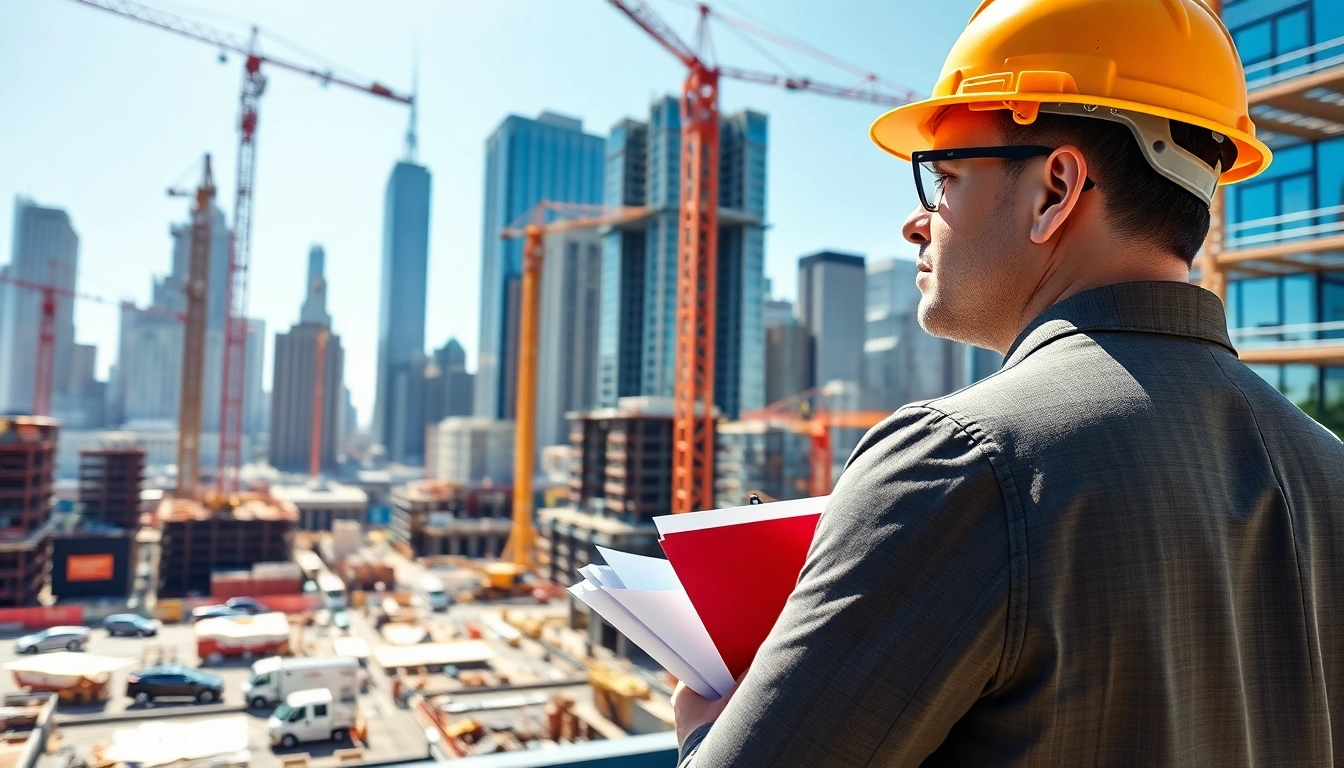
Construction projects in Manhattan are characterized by their complexity and scale, necessitating a robust management framework. At the heart of these projects is the role of a Manhattan Construction Manager, whose responsibilities span the entire lifecycle of construction. These professionals ensure that projects meet aesthetic and functional demands while adhering to time and budget constraints.
Key Responsibilities of a Manhattan Construction Manager
A Manhattan Construction Manager is responsible for orchestrating a variety of tasks, including:
- Project Planning: Establishing timelines, budgets, and resource allocations essential for project initiation.
- Team Coordination: Leading teams of architects, engineers, and subcontractors to ensure everyone is aligned with project goals.
- Budget Management: Monitoring expenses and resource use, making adjustments to maintain financial control.
- Quality Assurance: Ensuring construction meets required codes and standards, conducting regular quality checks.
- Risk Management: Identifying potential risks to the project timeline, budget, or quality, and implementing strategies to mitigate them.
The Skills Required for Effective Management
To excel, a Manhattan Construction Manager must possess a diverse skill set:
- Leadership: The ability to motivate and guide teams through challenges.
- Communication: Clear and efficient communication with various stakeholders is vital.
- Analytical Thinking: The aptitude for problem-solving and making data-driven decisions.
- Negotiation Skills: Navigating contracts and vendor agreements efficiently.
- Technical Expertise: Understanding construction methods and materials is crucial for informed decision-making.
Importance of Communication in Construction
Effective communication is the backbone of successful construction projects. A Manhattan Construction Manager must relay information accurately to stakeholders, clients, and team members to prevent misunderstandings and conflicts. Regular meetings, detailed reports, and open channels for feedback facilitate this communication, ensuring everyone stays informed and aligned.
Challenges Faced by Manhattan Construction Managers
Managing construction projects in a bustling urban environment like Manhattan comes with unique challenges.
Common Project Delays and Their Causes
Project delays can stem from a variety of factors including:
- Permit and Regulatory Delays: Navigating the city’s vast regulations can slow down progress.
- Weather Conditions: Unpredictable weather can cause work stoppages.
- Resource Availability: A shortage of materials or labor can halt construction.
Managing Budgets and Resources Effectively
Keeping projects within budget is a common hurdle. A Manhattan Construction Manager must meticulously track expenditures and adjust forecasts to accommodate changes in labor costs or material prices. Utilizing software tools for budget monitoring can enhance accuracy and efficiency.
Addressing Safety Concerns on Construction Sites
Safety is a critical element in construction management. A Manhattan Construction Manager must implement comprehensive safety protocols to protect workers and the public. Regular safety training, inspections, and enhancements to equipment and working procedures contribute to reducing incidents and ensuring compliance with OSHA regulations.
Best Practices for Successful Project Execution
To achieve success in Manhattan's construction scene, managers can adopt several best practices.
Strategies for Effective Team Coordination
Establishing a teamwork-centric culture is vital. Regular check-ins, collaborative tools, and clear definitions of roles and responsibilities help maintain team cohesion and progress.
Utilizing Technology in Construction Management
Modern construction utilizes innovative technologies such as Building Information Modeling (BIM) and project management software. These tools allow real-time tracking of progress and provide a platform for effective collaboration between teams, ultimately leading to enhanced efficiency and accuracy.
Building Strong Vendor Relationships
A successful Manhattan Construction Manager understands the importance of nurturing relationships with contractors and suppliers. Communication, reliability, and mutual respect are essential to ensure vendors meet the project’s demands consistently.
Case Studies of Successful Construction Projects
Studying successful projects reveals insights and practices that pave the way for future endeavors.
Landmark Structures Managed by Skilled Professionals
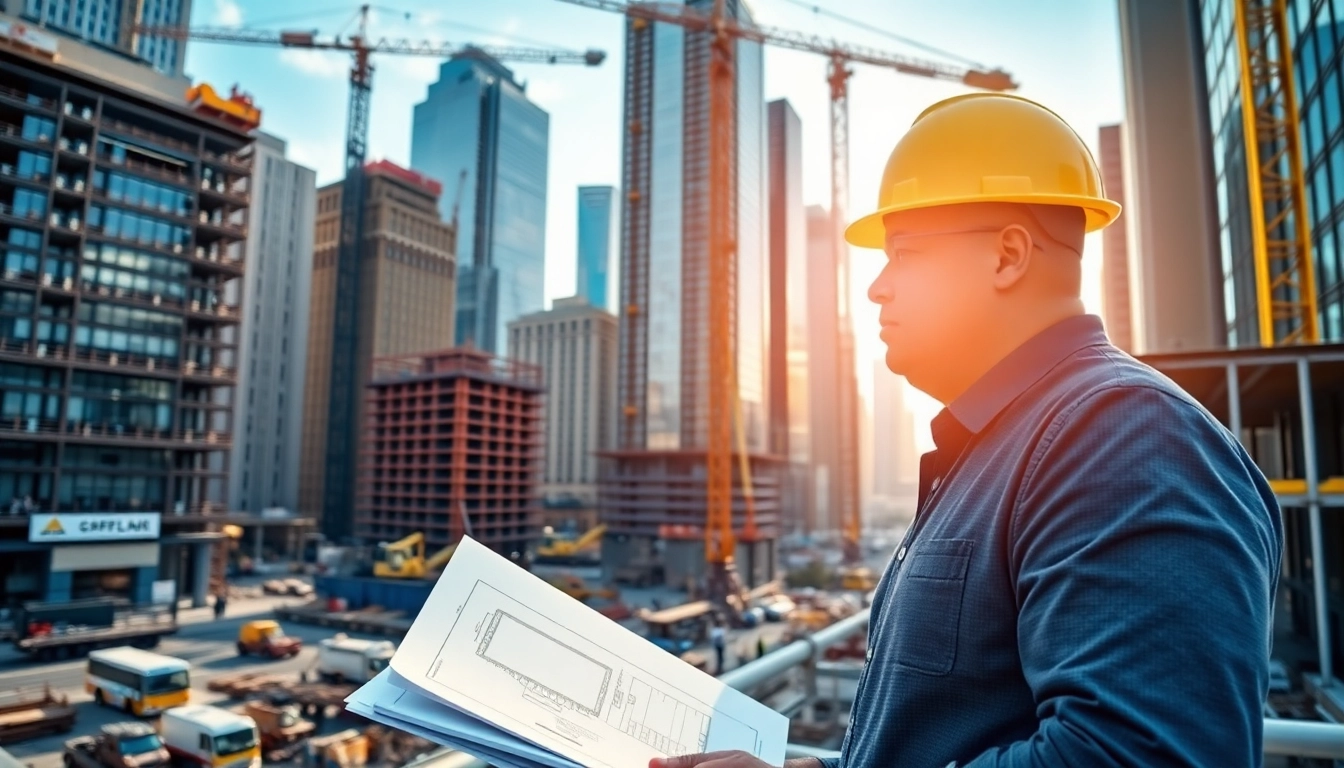
Several standout structures in Manhattan showcase the exceptional capability of construction management. From skyscrapers to bridges, each project demonstrates the critical role of a competent manager.
Lessons Learned from Project Experiences
Failure to adhere to best practices can lead to significant setbacks. Lessons from past projects often inform future strategies, equipping managers with the knowledge to avoid repeating mistakes.
Impact of Effective Management on Project Outcomes
Effective management translates directly into project success, affecting timelines, quality, and budget adherence. Case studies show a clear correlation between management practices and the successful delivery of projects.
Future Trends in Construction Management in Manhattan
Looking ahead, several trends are shaping the future of construction management.
Emerging Technologies in Construction
Connecting IoT (Internet of Things) devices to construction management systems can enhance project oversight by providing real-time data on resource usage and safety conditions.
Sustainability Practices for Modern Projects
With an increasing focus on environmental impact, many Manhattan Construction Managers are implementing sustainable practices. Using recyclable materials and energy-efficient designs are critical components moving forward.
The Evolving Role of the Manhattan Construction Manager
The role of the Manhattan Construction Manager is continuously evolving, expanding into strategic areas such as sustainability and advanced technology integration. Staying ahead of these trends is crucial for professionals aiming for success in this competitive landscape.
Frequently Asked Questions
1. What qualifications does a Manhattan Construction Manager need?
A Manhattan Construction Manager typically needs a degree in construction management or a related field, along with relevant work experience and certifications like PMP or CCM.
2. How does a Construction Manager differ from a Project Manager?
A Construction Manager focuses primarily on the construction process, while a Project Manager oversees broader project elements, including planning and execution across multiple teams.
3. What are common construction project risks?
Common risks include budget overruns, project delays, safety incidents, and compliance violations. Effective risk management strategies are essential to mitigate these risks.
4. How important is technology in construction management?
Technology enhances efficiency, accuracy, and collaboration. Tools like BIM and project management software are essential for modern construction management success.
5. What role does sustainability play in construction today?
Sustainability has become a priority in construction, influencing material choices, waste management practices, and energy-efficiency standards for new projects.