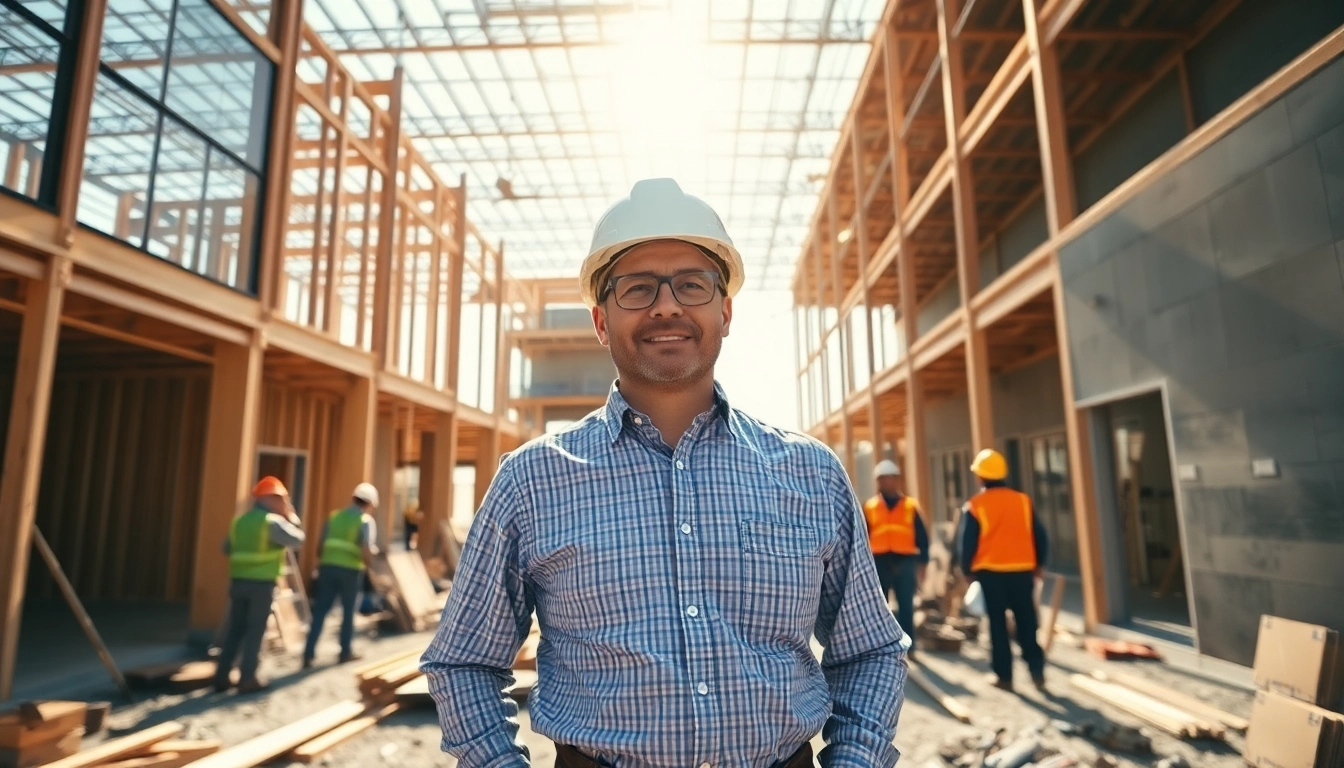
Understanding the Role of a New Jersey General Contractor
In the construction industry, the role of a general contractor is vital, especially when it comes to managing projects efficiently and effectively. A New Jersey General Contractor is responsible for the overall coordination of a project, ensuring that timelines, budgets, and quality standards are met. This article delves into the key responsibilities of general contractors, how they manage projects, and the importance of licensing and insurance in New Jersey.
Key Responsibilities of New Jersey General Contractors
General contractors wear many hats on a construction site. They act as the main point of contact for subcontractors, suppliers, and clients. Here’s a look at their primary responsibilities:
- Project Planning: General contractors create detailed project plans outlining phases, timelines, and resources needed.
- Bidding and Procurement: They handle the bidding process, selecting subcontractors and suppliers who align with project goals and budgets.
- Budget Management: One of their crucial roles is to develop and manage budgets, ensuring that expenditures do not exceed agreed amounts.
- Quality Control: They oversee the quality of work performed, ensuring that it meets local building codes and standards.
- Safety Regulation Compliance: Ensuring that all safety protocols are followed is essential to protect workers and avoid legal complications.
- Communication Facilitation: Acting as the liaison among all parties involved, they ensure effective communication and collaboration throughout the project.
How General Contractors Manage Projects
Effective project management is imperative for the success of any construction endeavor. New Jersey general contractors employ various strategies to manage projects efficiently:
- Scheduling: They develop detailed schedules utilizing software tools that allow for real-time updates and adjustments.
- Resource Allocation: General contractors ensure that resources—labor, materials, and equipment—are used efficiently and effectively.
- Monitoring Progress: Regular site visits and progress meetings help them monitor project development and address any issues as they arise.
- Risk Management: Identifying potential risks early and addressing them helps avoid delays and additional costs.
The Importance of Licensing and Insurance
In New Jersey, licensing and insurance are not just formalities; they are essential for legal and financial protection. Here’s why these elements are crucial:
- Licensing: A licensed contractor demonstrates we have met the qualifications and standards required by New Jersey law, providing clients with assurance of professionalism.
- Insurance: Proper insurance protects against unforeseen circumstances, such as accidents or property damage during construction, safeguarding both the contractor and the client.
- Reputation: A licensed and insured contractor tends to build credibility with clients, often leading to more contracts and business opportunities.
Choosing the Right New Jersey General Contractor
Selecting the right contractor can significantly influence the success of your construction project. With numerous options available, it’s critical to evaluate potential candidates thoroughly:
Evaluating Potential Contractors
Start by conducting thorough research. Look for contractors with a proven track record, positive reviews, and relevant experience. Consider these steps:
- Review Portfolios: Analyze previous projects to gauge their craftsmanship and style.
- Check References: Speak to past clients to gain insight into their reliability, communication, and overall satisfaction.
- Assess Experience: Prioritize contractors with experience in projects similar to yours, as they will be more familiar with the nuances and challenges.
Questions to Ask During Interviews
Once you have a shortlist, prepare questions to clarify their capabilities and ensure they align with your project needs:
- What is your project management approach?
- How do you handle challenges such as budgeting or scheduling delays?
- Can you provide references from past clients?
- What are your payment terms and conditions?
- How do you communicate with clients during the project?
Understanding Quotations and Bids
Before making your final choice, examine the bids from the contractors. Here’s how to navigate this stage:
- Comparative Analysis: Look beyond just price; evaluate what is included in the quotation. Are materials and labor costs transparent?
- Detailed Estimates: Ensure the estimates are comprehensive, outlining each expense category, to avoid hidden costs later.
- Contract Terms: Review the contract for clauses regarding budget overruns, change orders, and warranties for services rendered.
Common Challenges When Working with New Jersey General Contractors
While general contractors play a pivotal role in construction projects, challenges can arise. Understanding these issues can help you navigate the relationship more effectively:
Addressing Communication Issues
Open and effective communication is crucial, yet misunderstandings can occur. To mitigate this, establish clear communication protocols and touchpoints, ensuring everyone is on the same page.
Managing Budget Overruns
Budget overruns are a common issue in construction. Set a realistic budget with a buffer for contingencies, and maintain regular financial tracking to ensure adherence to the budget throughout the project.
Dealing with Delays and Scheduling Conflicts
Delays can occur due to unforeseen circumstances like weather or supply chain issues. Develop a flexible project timeline, and maintain ongoing communication with the contractor to adjust scheduling proactively.
Best Practices for Collaborating with a New Jersey General Contractor
To foster a successful collaboration, consider the following best practices:
Establishing Clear Project Goals
Defining clear and measurable project goals sets a solid foundation. Discuss objectives, timelines, and expected outcomes with your contractor early on to ensure alignment.
Maintaining Effective Communication
Consistent communication helps address issues before they escalate. Schedule regular check-ins and utilize project management tools to share updates and documentation.
Regular Progress Monitoring Techniques
Establish criteria for measuring progress, whether through milestone reviews or daily logs. Regular oversight enables timely detection of potential issues, allowing for prompt resolution.
Measuring Success with Your New Jersey General Contractor
Once the project is completed, evaluating success can provide insights for future endeavors:
Evaluating Project Deliverables
Assess the quality and completeness relative to initial specifications. Take time to walk through the finished project with your contractor to discuss any adjustments needed.
Gathering Client Feedback
Solicit feedback from all stakeholders involved, including team members and clients. Understanding various perspectives can highlight strengths and areas for improvement.
Follow-Up Assessments for Future Projects
Conduct a post-project review to document lessons learned and apply insights to future projects. This continuous improvement approach fosters development in processes and relationships.
FAQs About Hiring a New Jersey General Contractor
1. What should I look for when hiring a general contractor?
Evaluate their experience, references, licensing, and insurance coverage. Look for reviews or testimonials from previous clients to gauge reliability.
2. How can I avoid budget overruns?
Set a realistic budget with a suitable contingency buffer. Have transparent discussions about costs with your contractor throughout the project.
3. Are general contractors required to be licensed in New Jersey?
Yes, general contractors in New Jersey must hold a valid license to legally operate. This ensures adherence to state regulations and standards.
4. How do contract clauses affect my project?
Contract clauses clarify responsibilities, payment schedules, and provisions for changes or disputes. Understanding these clauses can protect your interests.
5. What steps should I take if there’s a delay in my project?
Communicate with your contractor immediately to understand the cause. Re-evaluate the project timeline and discuss options for mitigating the delay.