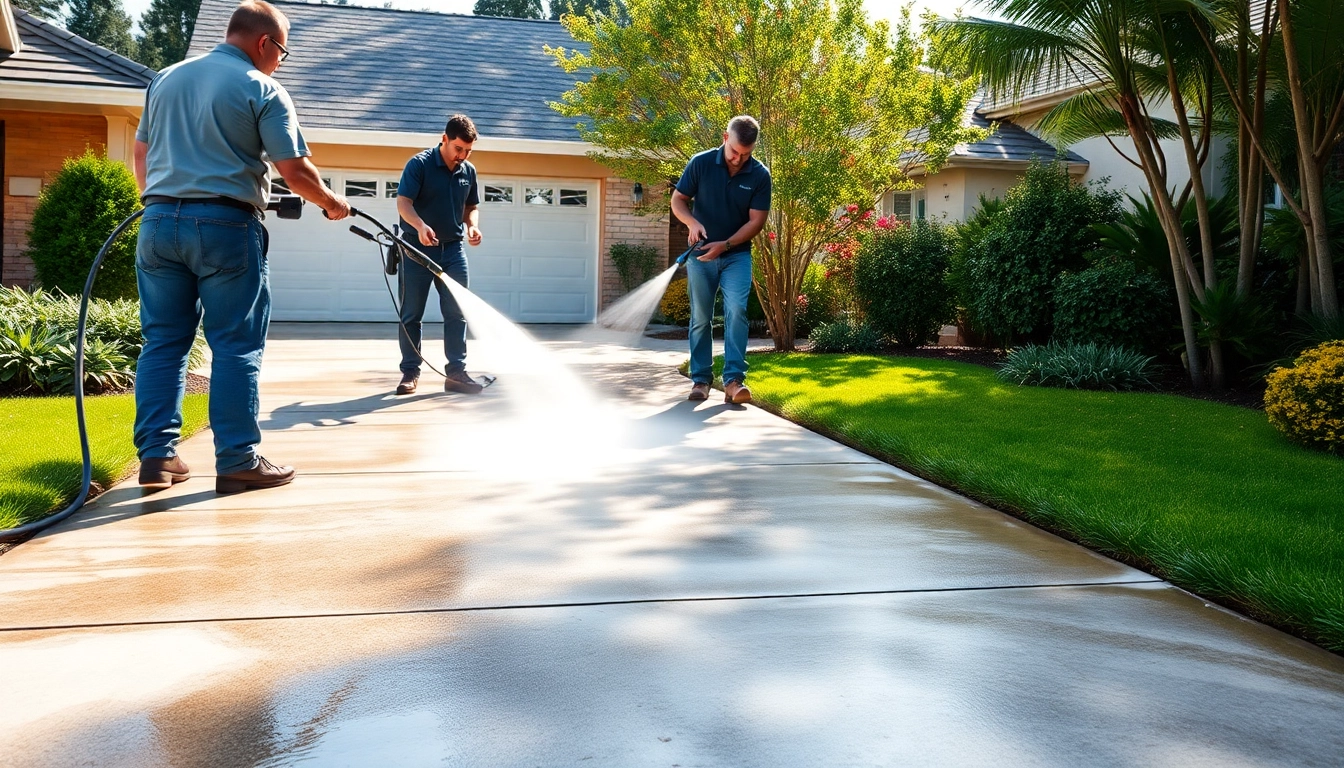
Understanding Driveway Cleaning
What is Driveway Cleaning?
Driveway cleaning refers to the process of removing dirt, stains, and other contaminants from your driveway surface, typically through methods such as pressure washing or chemical cleaning. It's more than just a cosmetic upgrade; it's an essential maintenance practice that helps prolong the lifespan of your driveway. Over time, driveways can accumulate grime, grease, algae, and oil stains which not only detracts from their appearance but can also result in structural degradation if left untreated. Efficient driveway cleaning effectively revitalizes the surface, restoring its original look and enhancing curb appeal.
Importance of Regular Driveway Maintenance
Regular maintenance of your driveway is crucial for several reasons. Firstly, it enhances the aesthetic appeal of your home, contributing to better curb appeal and potentially increasing property value. A clean driveway also prevents the buildup of harmful substances like mold and algae, which can cause slippery conditions when wet. Additionally, proactive cleaning helps avoid costly repairs that can arise from long-term damage caused by neglect. Regular cleaning can also assist in preventing the deterioration of surface materials, ensuring that any cracks or damage are detected and addressed promptly.
Common Driveway Issues and Solutions
Driveways can encounter various issues, common among them are oil stains, mildew, cracks, and discoloration due to weathering. Addressing these issues often requires different solutions. For example:
- Oil Stains: Use degreasers specifically designed for concrete and asphalt to treat oil stains effectively.
- Mildew: A mixture of water and vinegar or specialized cleaning agents can eliminate mildew buildup.
- Cracks: Once cleaned, applying patching materials can help fill and prevent further deterioration.
- Discoloration: Regular cleaning can prevent discoloration, but if it has occurred, a professional-grade cleaner may be necessary.
Techniques for Effective Driveway Cleaning
Pressure Washing vs. Manual Cleaning
Choosing between pressure washing and manual cleaning depends on the level of dirt accumulation and the surface material of the driveway. Pressure washing uses high-velocity water jets to remove stubborn stains and dirt quickly. It's effective on concrete and asphalt but requires proper handling to avoid damage. Manual cleaning, on the other hand, may involve scrubbing with a stiff-bristled brush and a cleaning solution—an approach that can be more labor-intensive but gentler on delicate surfaces.
Preparing Your Driveway for Cleaning
Preparation is key to effective cleaning. Start by clearing the area of any furniture, planters, or debris. Sweep off loose dirt and leaves to ensure the cleaning process is efficient. If you’re using pressure washing, check for any loose bricks or cracks that may worsen with the high-pressure water. It’s also advisable to cover any nearby plants or landscaping features to protect them from the cleaning solution or water runoff.
Selecting the Right Cleaning Solutions
Choosing the right cleaning solution is crucial to achieving optimal results. For concrete driveways, look for oxygen bleach or cleaning products labeled safe for concrete surfaces. Avoid harsh chemical cleaners that could cause damage or corrosion. Eco-friendly options are also available, which are effective without harming the surrounding environment.
Steps to Clean Your Driveway
Tools and Equipment Needed
To clean your driveway efficiently, you’ll need specific tools and equipment. Here’s a checklist:
- Pressure washer (if using this method)
- Stiff-bristled brush
- Garden hose
- Cleaning solutions (as discussed above)
- Protective gear (gloves, goggles)
- Tarpaulin or plastic sheeting (for protecting surrounding areas)
Step-by-Step Guide to Driveway Cleaning
Follow these steps to achieve a clean driveway:
- Prepare the Area: Clear the driveway of any debris.
- Pre-Treat Stains: Apply your chosen cleaning solution to any stains and let it sit for 10-15 minutes.
- Pressure Wash: If using a pressure washer, begin washing from the highest point of the driveway and move down to avoid dirty water pooling.
- Scrub: Use a stiff brush to scrub areas with stubborn stains manually.
- Rinse Thoroughly: Remove any residue by rinsing the driveway with clean water.
- Allow to Dry: Let the driveway dry completely to prevent slips and falls.
Safety Precautions During Cleaning
While driveway cleaning can be straightforward, safety should always be a priority. Ensure to wear appropriate protective gear such as gloves and goggles. If using a pressure washer, observe the manufacturer’s guidelines to avoid injuries. Never direct the jet of water at people, pets, or any electrical fixtures. If using chemicals, work in a well-ventilated area and avoid contact with skin and eyes.
Cost Considerations for Driveway Cleaning
Factors Affecting Driveway Cleaning Costs
Understanding the factors that influence driveway cleaning costs can help you budget effectively. Some key aspects include:
- Driveway Size: Larger driveways cost more to clean due to the increased time and resources required.
- Material Type: Concrete or asphalt driveways tend to be less expensive to clean compared to paver or gravel surfaces.
- Degree of Staining: Heavily soiled driveways may require additional time and special cleaning treatments.
- Location: Prices can vary based on regional labor costs and demand for cleaning services.
DIY vs. Professional Cleaning Costs
Deciding whether to clean your driveway yourself or hire a professional involves weighing costs against desired results. DIY cleaning can cost under $100 for supplies, while hiring professionals may range from $0.30 to $0.55 per square foot. Professional services often ensure better results and save you time, especially for extensive or heavily stained driveways.
Long-Term Value of Professional Driveway Cleaning
Investing in professional driveway cleaning can yield long-term benefits. Regular professional maintenance not only enhances curb appeal but extends the lifespan of your driveway significantly. By preventing damage and degradation, homeowners can avoid costly repairs and replacements, resulting in lower long-term expenses.
FAQs about Driveway Cleaning
How often should I clean my driveway?
Driveway cleaning is typically recommended every 1-2 years, depending on environmental factors and usage. High-traffic areas may require cleaning more frequently.
What are the best products for driveway cleaning?
Look for eco-friendly oxygen bleach cleaners or specialized concrete cleaning solutions that are safe for your driveway material. Avoid harsh chemicals that can cause damage.
Can I pressure wash my driveway?
Yes, pressure washing is an effective method for cleaning driveways. Ensure to use the correct PSI setting to avoid damaging the surface.
Will driveway cleaning remove oil stains?
Yes, driveway cleaning can remove oil stains, particularly if you pre-treat the stains with a degreaser before cleaning.
What's the average cost of driveway cleaning?
The average cost typically ranges between $0.30 and $0.55 per square foot, depending on the material and the amount of cleaning required.