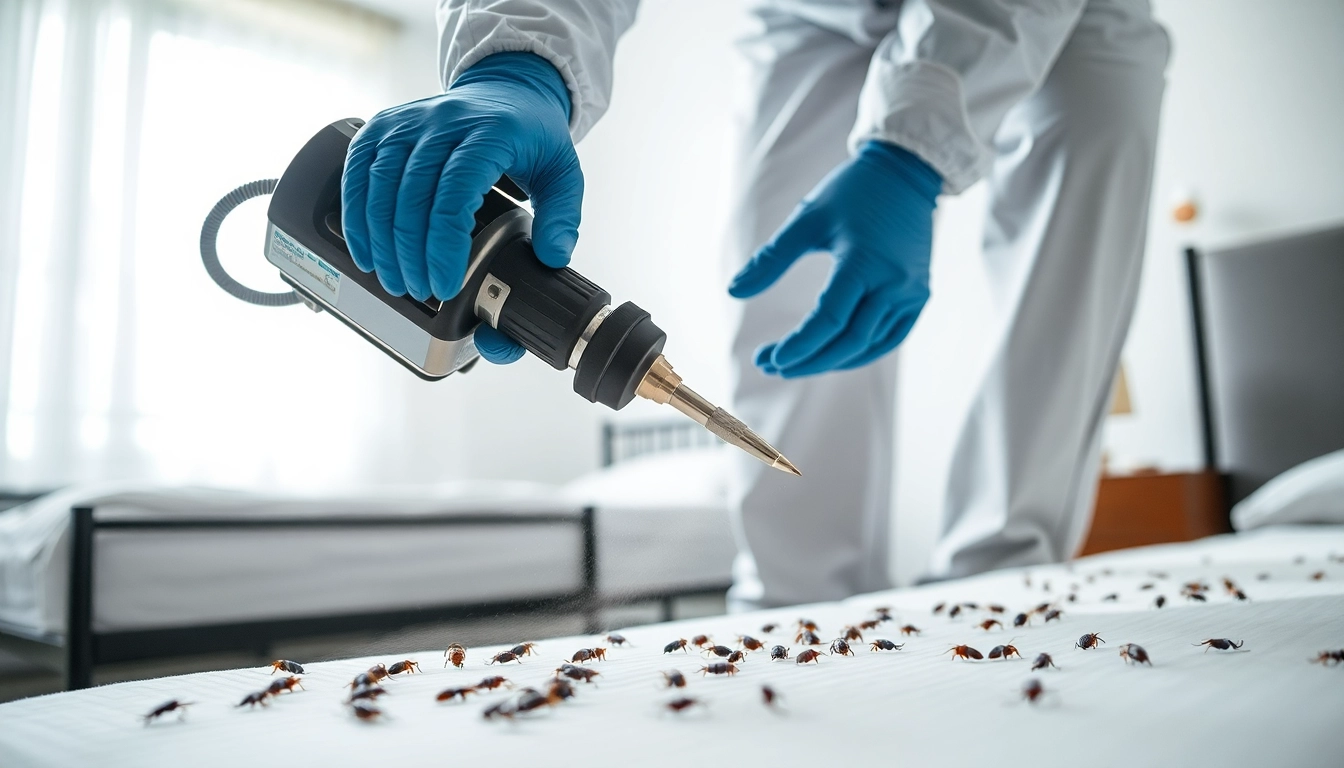
Understanding Bed Bugs and Their Habits
What are Bed Bugs?
Bed bugs are small, gluttonous, blood-sucking parasites scientifically known as Cimex lectularius. They typically measure around 4 to 5 mm, resembling an apple seed in shape and color. Although they do not transmit diseases, their bites can lead to severe discomfort and anxiety for those affected. Understanding their biology and habits is crucial for effective bed bug control.
How Bed Bugs Spread
Bed bugs are notorious for their ability to hitch a ride on people, clothing, and personal items. They can spread through traveling, moving used furniture, or even sharing a living space. Once they infiltrate a home, their life cycle can lead to rapid population growth; a single female can lay up to 500 eggs in her lifetime. This reproductive capability makes early detection and intervention essential in bed bug control strategies.
Signs of Infestation
Detecting bed bugs early can prevent a minor issue from escalating into a significant problem. Common signs include:
- Finding small blood stains on bedding or mattresses.
- Presence of small, dark spots (excrement) around sleeping areas.
- Physical sightings of bed bugs themselves, especially near beds, headboards, and electrical outlets.
- Unpleasant, musty odors often described as coriander-like, which is typically emitted by bed bug pheromones.
Effective Bed Bug Control Techniques
Identifying Problem Areas
To effectively tackle a bed bug infestation, it is vital to identify hotspots where these pests are likely to reside. Common areas include:
- MattressesBed bugs tend to hide in the seams and folds.
- Box SpringsThese are often overlooked but serve as excellent hiding spots.
- Bed Frames and HeadboardsInspecting all wooden structures near the bed is essential.
- Furniture and ElectronicsCheck behind furniture, baseboards, and electronic devices that are close to sleeping areas.
Preventive Measures
Prevention is the best strategy for avoiding bed bugs. Here are some effective measures:
- Regularly inspect your sleeping area and luggage when traveling.
- Use bed encasements that are designed specifically to prevent bed bugs.
- Reduce clutter around your home to minimize potential hiding spots.
- Seal cracks and crevices in walls and floors to prevent access.
Professional vs. DIY Bed Bug Control
The choice between professional extermination services and DIY methods primarily depends on the severity of the infestation. DIY methods may include vacuuming, steam cleaning, or using specific insecticides planned to target bed bugs. However, due to the scalability of bedbug infestations, a professional may offer more effective and long-term solutions with guaranteed results.
Tools and Products for Bed Bug Control
Insecticides and Sprays
A variety of insecticides and sprays are available on the market targeting bed bugs. These products often contain active ingredients such as pyrethroids, neonicotinoids, or insect growth regulators. It is crucial to follow instructions carefully to minimize harm while ensuring effectiveness.
Non-Chemical Control Options
There are non-chemical approaches that have proven highly effective in bed bug control. Methods include:
- Heat TreatmentExposing bed bugs to high temperatures can kill them quickly. Professional heat treatments raise the room temperature above 120 °F for a sustained period.
- Cold TreatmentFreezing infested items for at least 4 days can effectively eliminate bed bugs.
- VacuumingA thorough vacuuming of all potential hiding spots can help reduce their numbers significantly.
Essential Tools for Home Treatment
If you choose to conduct a DIY approach, equip yourself with the following tools:
- Strong Vacuum with a HEPA filterThis helps capture bed bugs and their eggs effectively.
- Bed Bug MonitorsSticky traps help monitor the infestation and confirm its presence.
- Steam CleanerUsing steam can kill bed bugs on contact and penetrate bedding and furniture seams.
Long-term Bed Bug Prevention
Best Practices for Homeowners
To prevent bed bug infestations in the long term, homeowners should adopt consistent practices:
- Frequent InspectionsRegularly check sleeping and resting areas for signs of bed bugs.
- Encasements on Mattresses and PillowsThis disrupts their breeding cycle and prevents infestations.
- Storing Luggage ProperlyWhen traveling, keep bags sealed in protective casings until you return home.
Seasonal Considerations
Bed bugs can be more prevalent during certain times, particularly when college students return home from dormitories or during travel seasons. During these times, extra precautions should be taken, such as monitoring any secondhand items or luggage.
When to Call the Professionals
If you notice signs of a more extensive infestation, or if DIY methods do not seem effective, consider calling in professionals. They have access to specialized equipment and products that can eradicate bed bugs efficiently.
Frequently Asked Questions about Bed Bug Control
How do I know if I have bed bugs?
Common indicators include itchy bites on the body, dark stains on bedding, and finding bed bugs themselves, particularly around seams of mattresses.
Can I treat bed bugs myself?
Yes, there are various DIY methods available, including vacuuming, using heat treatments, and specific insecticides. However, be mindful of the infestation's severity.
How long does a bed bug treatment take?
The duration of treatment varies based on the infestation size and the methods used. Typically, it can take several weeks to completely eradicate bed bugs.
Are bed bug bites harmful?
While bed bug bites are not known to transmit diseases, they can cause allergic reactions, severe itching, and discomfort, leading to emotional distress for some individuals.
What should I do with infested furniture?
Do not dispose of infested furniture unless necessary. Instead, treat it with heat or steam, encase it, or consult a professional for safe removal strategies.