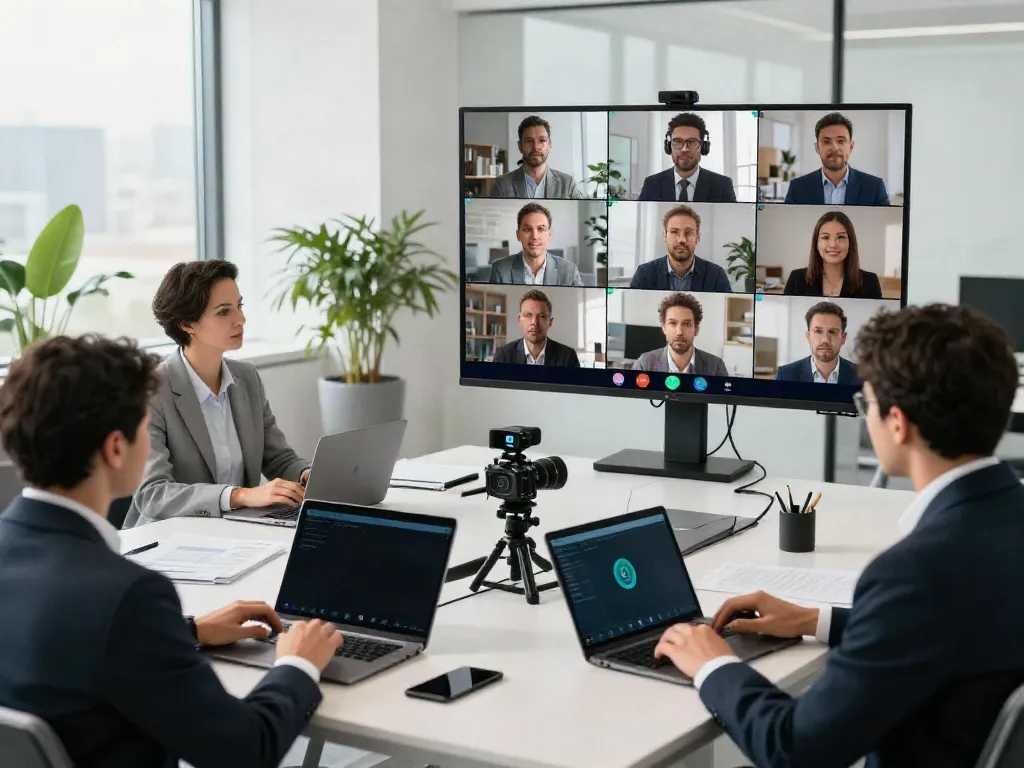
Understanding Deepfake Technology and Its Impact on Online Meetings
As video conferencing becomes an integral part of our professional and personal interactions, it is crucial to understand the implications of emerging technologies like deepfakes. Deepfake technology, which utilizes artificial intelligence to create hyper-realistic fake videos, poses significant risks to online video calls, meetings, and conferencing. The ability for someone to impersonate another person in real-time during video interactions can lead to severe security breaches and trust issues. In this article, we will explore how to safeguard your virtual meetings through advanced solutions like Deepfake protected Online Video Calls, Meetings and Conferencing.
What is Deepfake Technology?
Deepfake technology refers to the use of artificial intelligence and machine learning algorithms to manipulate audio and visual content, creating realistic yet fake representations of individuals. Initially, deepfakes gained notoriety in the entertainment industry for their ability to superimpose faces in videos, but their use has expanded into more nefarious realms. This technology can synthesize someone's likeness and voice to produce content that appears genuine, making it a potent tool for impersonation and manipulation in virtual communications.
The Rise of Deepfake Threats in Virtual Communication
In an era where remote work and virtual meetings dominate, the rise of deepfake threats presents a unique challenge. Cybercriminals are increasingly employing deepfake technology to infiltrate organizations, manipulate conversations, and execute fraud. Particularly concerning are scenarios wherein a deepfake of a CEO or executive is used to authorize financial transactions or sensitive decisions. The increasing sophistication of deepfake technology makes it difficult for untrained individuals to discern legitimacy, underscoring the need for robust protection measures.
Common Misconceptions About Deepfake Risks
Many people still believe that deepfake threats are exaggerated or only relevant in specific contexts. However, the reality is that deepfakes can infiltrate various sectors, from business to education and social media. By understanding the breadth of potential misuse, organizations can better prepare themselves for these evolving threats. A common misconception is that only high-profile individuals are at risk; however, deepfake technology can target anyone who uses video conferencing tools.
Best Practices for Securing Online Video Calls
To combat the emerging threat of deepfakes in online communications, implementing best practices is vital. Organizations and individuals should adopt proactive measures to enhance the security of their video calls.
Implementing Multi-Factor Authentication
One of the most effective strategies for securing online meetings is the implementation of multi-factor authentication (MFA). MFA requires users to provide multiple forms of verification before accessing a platform. This added layer of security significantly reduces the risk of unauthorized entry, as it requires more than just a username and password. By enabling MFA for video conferencing tools, organizations can ensure that only verified individuals gain access to sensitive meetings.
Using Reliable Software for Deepfake Detection
Adopting reliable deepfake detection software is crucial in identifying manipulated media during meetings. Several advanced solutions are available that utilize machine learning algorithms to analyze video content in real time, flagging any inconsistencies that may indicate a deepfake. Using such tools, organizations can actively verify the authenticity of participants and prevent potential scams.
Setting Up Secure Meeting Protocols
Establishing secure meeting protocols is essential to mitigate risks associated with deepfake technology. These protocols can include creating unique meeting IDs, requiring passwords for entry, and limiting access to only pre-approved participants. Additionally, utilizing "safe words" for verification can help participants confirm each other's identities, adding an extra layer of security against impersonation attempts.
Real-World Applications of Deepfake Protection
The evolution of deepfake protection technologies has led to various real-world applications that enhance the security of online communications.
Case Studies of Successful Deepfake Mitigation
Several companies have demonstrated the effectiveness of deepfake detection technologies in mitigating risks. For example, a leading financial institution implemented a state-of-the-art deepfake detection system that significantly reduced the number of impersonation attempts during video calls with clients. By actively monitoring and flagging suspicious activity, the institution not only protected sensitive information but also instilled greater trust among its clientele.
Industry-Specific Solutions for Remote Conferencing
Different industries require tailored solutions for deepfake protection. For example, in the healthcare sector, telemedicine platforms are integrating deepfake detection to secure virtual consultations between doctors and patients. As sensitive health information is shared during these meetings, ensuring the authenticity of participants is paramount.
Innovations in Deepfake Detection Technology
The field of deepfake detection is rapidly advancing, with new innovations emerging to tackle evolving challenges. Researchers are developing systems that can analyze video and audio for anomalies, such as inconsistencies in facial movements or voice modulation. These advancements promise to provide more reliable detection methods, ensuring that virtual communications remain secure.
Evaluating the Efficacy of Deepfake Protection Tools
As organizations implement deepfake protection tools, evaluating their efficacy becomes crucial in ensuring lasting security.
Measuring Success: Key Performance Indicators
Key performance indicators (KPIs) should be established to assess the effectiveness of deepfake protection measures. Metrics such as incident response time, the number of detected threats, and user satisfaction can provide valuable insights into the solutions' performance. Regular audits and assessments can help organizations fine-tune their strategies and ensure robust protection.
Common Challenges in Implementation
Despite the potential benefits of deepfake protection technologies, challenges remain in their implementation. Organizations may face budget constraints, lack of awareness among employees, or resistance to change in established processes. Addressing these challenges through training and awareness campaigns can help facilitate smoother transitions to more secure systems.
Feedback from Users of Deepfake Protection Solutions
User feedback is instrumental in refining deepfake protection solutions. Organizations should actively solicit input from employees and clients regarding their experiences with these tools. Positive feedback can reinforce the importance of security measures, while constructive criticism can drive improvements.
The Future of Secure Online Meetings in 2026 and Beyond
As we look towards the future, the evolution of deepfake technology and the ongoing need for secure online communications will shape strategies for organizations across sectors.
Emerging Trends in Deepfake Technology
Researchers are constantly monitoring trends in deepfake technology to anticipate how it may evolve. Emerging trends include the potential for more sophisticated algorithms that can create even more realistic simulations, emphasizing the need for constant vigilance and updated security protocols.
Anticipated Developments in Video Conferencing Security
Future developments in video conferencing security are expected to leverage innovations in both hardware and software. For instance, biometric verification methods, such as facial recognition, may complement existing security measures to provide even greater assurance against deepfake impersonations.
Preparing for the Next Generation of Cyber Threats
To stay ahead of potential threats, organizations must cultivate a culture of security awareness among employees and regularly invest in security technologies. Proactive preparation will be key to safeguarding virtual communications against the upcoming generation of cyber threats.